What is robotic hysterectomy?
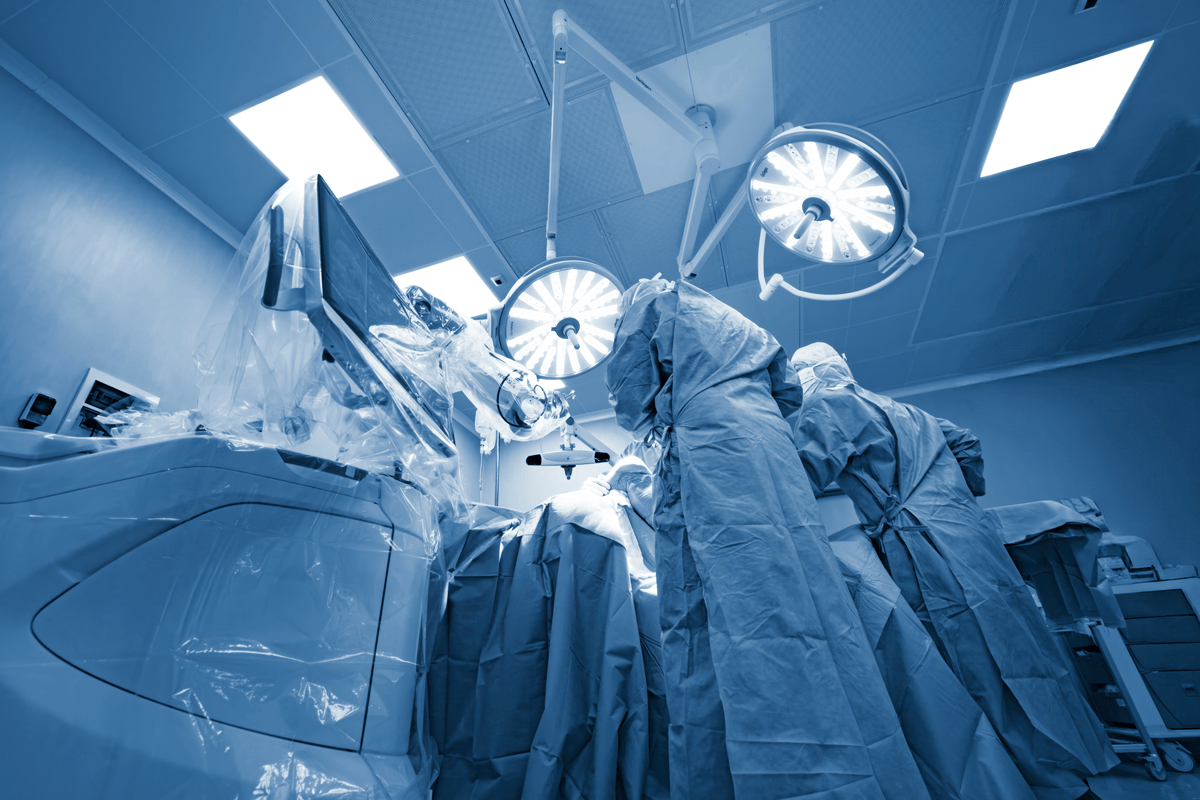
Robotic hysterectomy is the removal of the uterus using a robotic surgical system through small abdominal incisions. This technique allows the surgeon to perform the procedure with great precision while minimising tissue trauma and accelerating recovery.
When is robotic hysterectomy recommended?
Robotic hysterectomy may be recommended for conditions such as uterine fibroids, endometriosis, adenomyosis, abnormal uterine bleeding, uterine prolapse or certain types of gynaecological cancer.
What are the advantages of robotic gynaecological surgery?
Key advantages include smaller incisions, less postoperative pain, reduced blood loss, shorter hospital stay, faster return to daily activities and improved cosmetic results.
Is robotic surgery safe?
Robotic surgery is considered very safe when performed by a specialised surgeon experienced in robotic and minimally invasive gynaecological surgery in a properly equipped hospital environment.
How long does recovery take after robotic hysterectomy?
Recovery after robotic hysterectomy is usually faster compared with open surgery. Most patients mobilise on the same day and gradually return to normal activities within a few days.
How long does a robotic gynaecological procedure take?
The duration of surgery depends on the condition being treated and the complexity of the procedure. Most operations last from one to several hours.
Is robotic surgery used in gynaecological cancer?
Yes. Robotic surgery is widely used in gynaecological oncology, particularly for endometrial and cervical cancer, as well as in selected cases of ovarian cancer.
What is the sentinel lymph node?
The sentinel lymph node is the first lymph node to which cancer may spread through the lymphatic system. Identifying and removing it helps achieve accurate staging of the disease and often avoids extensive lymph node removal.
Are there scars after robotic hysterectomy?
The incisions used are very small and usually result in minimal and less visible scars compared with open surgery.
Is robotic surgery suitable for all patients?
Suitability for robotic surgery depends on the specific condition, the patient’s medical history and the treating doctor’s assessment. Each case is evaluated individually in order to determine the most appropriate treatment approach.