



Robotic gynaecological surgery is used in a wide range of procedures, both for benign and oncological conditions. Its use allows high precision, safe dissection of delicate anatomical structures and optimal surgical outcomes, particularly in complex cases.
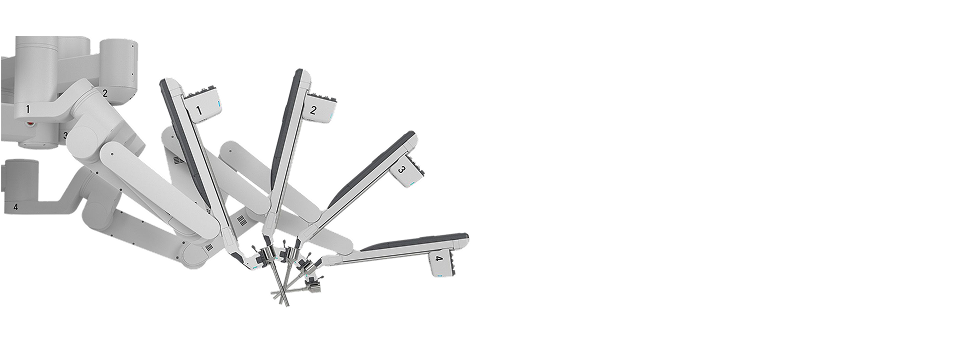
Applications of robotic surgery in gynaecology
Robotic hysterectomy
Robotic hysterectomy is performed for benign conditions as well as for gynaecological cancers, offering:
- precise tissue dissection
- reduced surgical trauma
- faster recovery compared with open surgery
Robotic sentinel lymph node technique
The robotic sentinel lymph node technique is a modern staging method in selected gynaecological cancers.
It allows:
- targeted removal of lymph nodes
- reduced surgical burden
- fewer complications compared with extensive lymphadenectomy
Robotic pelvic lymphadenectomy
Robotic pelvic lymphadenectomy is performed for accurate staging and therapeutic management of gynaecological cancers.
Robotic technology facilitates identification and preservation of nerves and vessels, reducing the risk of complications.
Robotic para-aortic lymphadenectomy
Para-aortic lymphadenectomy is a technically demanding procedure, particularly when performed high along the aorta.
The robotic approach offers:
- excellent visualisation
- precise deep dissection
- increased safety in experienced surgical hands
Cytoreductive surgery for ovarian cancer in selected cases
In selected cases of ovarian cancer, robotic surgery may be used for cytoreductive procedures.
The decision is made on an individual basis, taking into account:
- the extent of the disease
- the patient’s general condition
- the expected oncological benefit
Robotic myomectomy
Robotic myomectomy allows removal of fibroids while preserving the uterus, offering:
- precision in suturing
- minimisation of blood loss
- improved restoration of the myometrium
Endometriosis
Robotic surgery for endometriosis is particularly useful in:
- deep infiltrating endometriosis
- involvement of the ureters, bowel or pelvic sidewall
- reoperative surgery with adhesions
The high precision of robotic technology contributes to more complete excision of disease and reduction of the risk of recurrence.